In an age where computing power is growing exponentially, maintaining safe operating temperatures for CPUs, GPUs, and other components has never been more important. But when it comes to keeping your electronics cool—be it an AI server cluster, an EV motor controller, or a high-density IGBT module—thermal engineers frequently ask: Is industrial liquid cooling worth the investment? In this comprehensive guide, we'll explore the engineering benefits, ROI, and technical considerations of liquid cold plates for high heat flux applications.
In this comprehensive guide, we'll explore the benefits, drawbacks, and misconceptions of water cooling. By the end, you'll have a better understanding of whether this solution is right for you and your budget.
I. Understanding Water Cooling
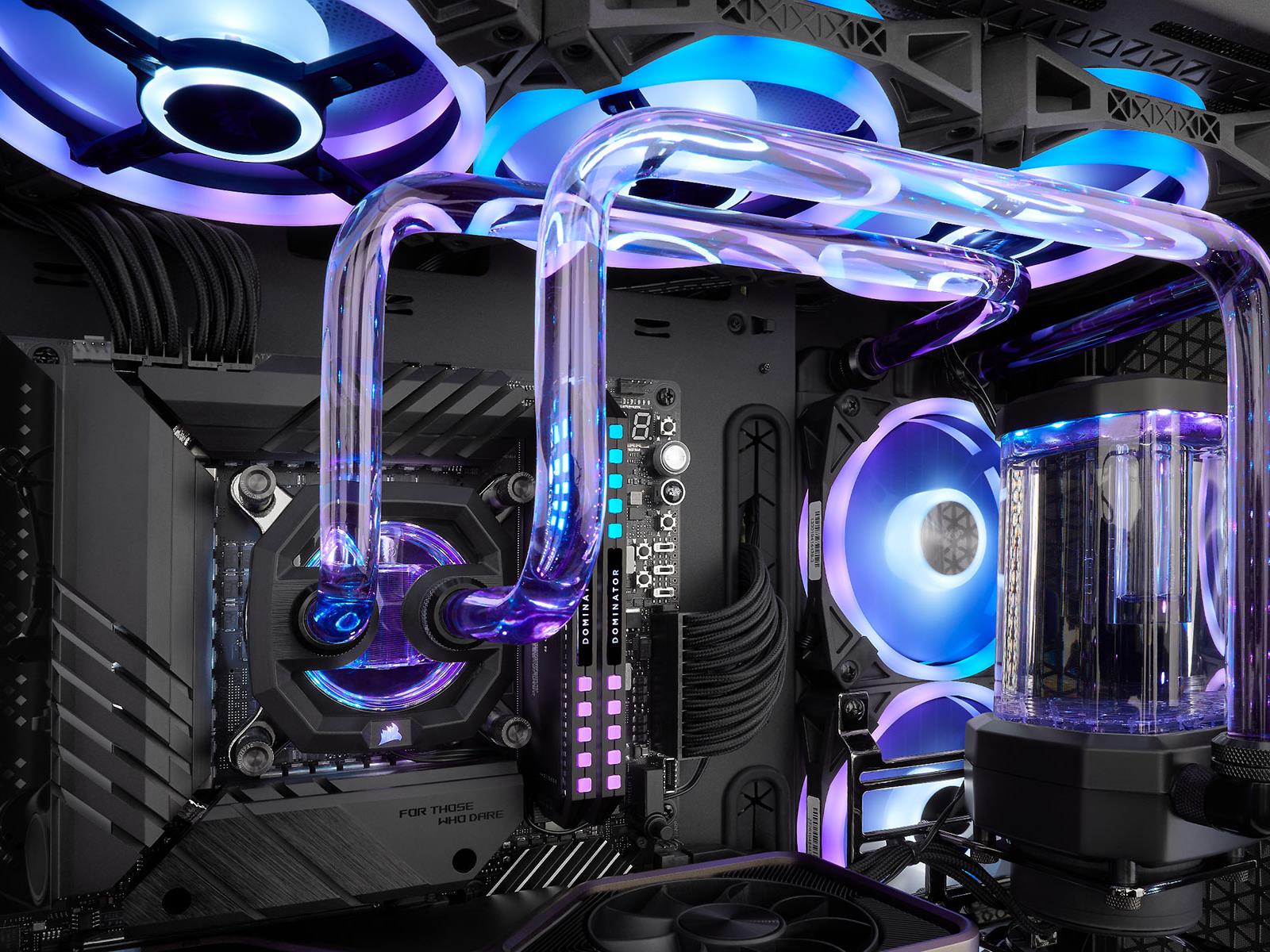
Water cooling (often referred to as liquid cooling) is a cooling method that uses a liquid coolant, typically a mixture of distilled water and additives, to absorb and transfer heat away from high-performance components. Unlike air cooling, which relies on heatsinks and fans alone, water cooling deploys a closed-loop or custom loop system of tubes, radiators, and pumps to circulate coolant directly over a water block. This water block makes contact with the heat source—usually the CPU or GPU—and then carries the heat to a radiator where it is dissipated.
Modern all-in-one (AIO) liquid coolers have made water cooling more accessible, blending high performance with relative ease of installation. Meanwhile, fully custom loops allow enthusiasts and professionals to tailor the cooling system to their exact needs, albeit with a higher level of complexity.
II. Benefits of Water Cooling
1. Improved Cooling Efficiency
One of the most significant advantages of water cooling is its ability to efficiently transfer heat away from components. Liquids have a higher thermal conductivity than air, which means they can capture and remove heat more quickly. This improved efficiency is crucial for overclockers and power users who push their systems to the limit.
2. Potentially Quieter Operation
With water cooling, fans often run at lower speeds since the liquid is already absorbing and moving the heat to a radiator. The end result can be a quieter system, especially compared to air-cooling solutions that require multiple fans running at higher RPMs to match performance.
3. Better Heat Distribution
When you use water cooling, you're not relying on a single point of contact. The liquid spreads the heat load across a radiator's surface, which can lead to more even temperature control and, ultimately, a more stable system.
4. System-Level Integration and Precision
Unlike off-the-shelf air coolers, industrial liquid cooling solutions are highly engineered. Through custom OEM/ODM services, liquid cold plates can be designed with multi-level micro-channels and flow-enhancing structures. Utilizing high-precision welding processes, thermal resistance is significantly reduced, ensuring uniform temperature distribution across the chip and meeting strict manufacturing tolerances (e.g., ±0.01mm flatness) for maximum contact.
III. Drawbacks and Considerations
1. Higher Cost
Water cooling systems typically cost more than their air-cooled counterparts. Even entry-level AIO liquid coolers tend to be pricier than high-end air coolers. If your budget is tight, an advanced air cooler could still be a viable option.
2. Maintenance Requirements
While modern closed-loop coolers require little more than regular dusting of radiators, custom loops come with ongoing maintenance. You may need to periodically refill or replace the coolant, clean the system to prevent algae growth (in certain cases), and check for any potential issues with fittings and seals.
3. Complexity and Risk
Installing a water cooling system, especially a custom loop, can be time-consuming and complicated. There's also the risk of leaks, which can cause significant damage if not addressed immediately. Proper planning, careful assembly, and the right tools are key to mitigating these risks.
4. Space and Compatibility
Some PC cases or industrial enclosures aren't designed to accommodate radiators, pumps, and reservoirs. Compatibility checks are crucial to ensure your setup can handle the added components.
IV. Water Cooling vs. Air Cooling
To decide if water cooling is worth it, consider how it compares to air cooling:
1. Performance: Water cooling can generally handle more heat, making it ideal for high-power systems or constant heavy loads. Air cooling can be sufficient for moderate use and simpler systems.
2. Noise: Water cooling systems often run quieter, especially under heavy load, while air cooling might rev up fans to loud levels.
3. Price: Air coolers are typically less expensive. Water cooling, especially custom loops, demands a bigger investment.
4. Maintenance: Air coolers need occasional dusting. Water coolers require more thorough checks (especially custom setups) to maintain longevity.
If you have a mid-tier gaming PC or typical workstation, a top-quality air cooler may offer the perfect balance of performance and cost. On the other hand, if you're serious about overclocking, or you're running industrial or high-performance computing (HPC) tasks, water cooling might be the better long-term investment.
V. Common Misconceptions about Water Cooling
1. "It's Too Complex for Beginners"
While custom loops can indeed be complex, all-in-one liquid coolers have made water cooling relatively straightforward. These self-contained units come pre-filled and sealed, requiring only basic installation steps like mounting a water block and attaching the radiator.
2. "Water Will Definitely Leak and Destroy My Components"
Leak concerns are valid, but with the right precautions—testing your loop outside of your device, using quality components, and following manufacturer guidelines—the risks are greatly minimized. Many modern fittings are designed to be leak-resistant, and AIO coolers are typically sealed, reducing the chances of leakage.
3. "Maintenance is Overly Burdensome"
Regularly cleaning radiators and ensuring pumps are running smoothly can add some extra steps compared to air coolers. However, for many people, this maintenance is a fair trade-off for the performance and noise benefits that water cooling provides.
VI. Is Water Cooling Right for You?
So, is water cooling worth it for your system? That ultimately depends on what you're trying to achieve.
1. Artificial Intelligence & Data Centers: AI processors and GPUs generate extreme heat fluxes. Liquid cooling offers the precise thermal management needed to prevent throttling and maintain continuous, high-performance computing without the massive energy draw of traditional HVAC air cooling.
2. Automotive & New Energy (EVs): Managing the thermal output of power batteries and electric car controllers is critical for safety and efficiency. Custom copper brazing cold plates ensure compact, reliable heat dissipation in tight spatial constraints.
3. Power Management & Industrial Equipment: For inverters, energy storage systems, and laser devices, maintaining stable operating temperatures is a matter of equipment lifespan. Liquid solutions provide the robust, leak-proof reliability required for long-term industrial deployment."
Ultimately, water cooling shines where high performance and lower noise are top priorities. But if your usage is modest, the added complexity and cost might not be necessary.
VII. Conclusion
In summary, water cooling can be well worth it for users seeking maximum performance and minimal noise, especially those pushing their systems to the limit. It excels in scenarios that demand high thermal efficiency—like overclocking, industrial workloads, and heavy video rendering. However, it does come with a higher price point, more complexity, and some additional maintenance compared to air cooling.
So, is water cooling worth it? If you have the budget, a case that can accommodate the hardware, and the desire for peak performance, the answer is a resounding yes. But for those on tighter budgets or who simply want a plug-and-play cooling solution, high-quality air coolers remain a formidable and cost-effective alternative.
A Note on Professional Thermal Solutions
If you're considering more advanced thermal management—especially in high-power industrial applications—look to Guangdong Winshare Thermal Technology Co., Ltd. (Winshare Thermal) for specialized expertise. Since 2009, Winshare Thermal has focused on innovative heat management solutions for various industries, including ICT, renewable energy systems, EV motors, and more. From research and development to product manufacturing and technical support, Winshare Thermal offers high-power cooling solutions designed to handle even the most demanding thermal challenges. By partnering with a dedicated thermal solutions provider, you can harness the full potential of your systems while ensuring long-term reliability.
With 12 years of specialized liquid cooling manufacturing experience, we control the entire process from thermal simulation and component manufacturing to system integration. Ready to optimize your thermal design? Contact us today for a free DFM (Design for Manufacturability) evaluation and thermal simulation consultation.